 ...the monthly, Open Access Publisher.
...the monthly, Open Access Publisher.
...the monthly, Open Access Publisher.
Research Article - (2025) Volume 13, Issue 1
Received: 06-Oct-2024, Manuscript No. IJMF-25-149673; Editor assigned: 09-Nov-2024, Pre QC No. IJMF-25-149673 (PQ); Reviewed: 25-Oct-2024, QC No. IJMF-25-149673; Revised: 06-Mar-2025, Manuscript No. IJMF-25-149673 (R); Published: 13-Mar-2025
The increasing demand for sustainable and renewable energy sources has led to the exploration of alternative fuels. This study investigates the feasibility of using Carabao dung biogas (BAHOGAS) as an alternative to commercial gas. The research evaluates the production process, energy efficiency, and environmental impact of Carabao dung biogas through laboratory analysis and field testing. Key parameters such as methane yield, combustion efficiency, and cost-effectiveness are compared with conventional Liquefied Petroleum Gas (LPG). Results indicate that Carabao dung biogas presents a viable and eco-friendly energy source, offering potential benefits in rural areas with abundant livestock waste. The study concludes that optimizing biogas production techniques can enhance its usability, making it a promising alternative to conventional gas.
Biogas, Carabao dung, Renewable energy, Alternative fuel, Methane production, Sustainable energy, Liquefied petroleum gas alternative
LPG: Liquefied Petroleum Gas; PVC: Polyvinyl Chloride
Fuel shortage and price increases have become global issues, specifically in some Asian regions. It is now hard to ignore the lack of commercial gas situation since it has grown to be a major worry. The Philippine Star reports that cooking gas prices, specifically LPG, have increased for the fourth consecutive month in November. Petron and Solane have announced a P0.45 per kilogram hike in LPG prices, attributing it to the international contract price for November. Other retailers are expected to follow suit with price hikes this month.
In the context of sustainable agriculture, biogas from manure highlights the potential of dung as an alternative energy source for livestock farmers through the utilization of anaerobic digesters. These digesters partially convert dung into biogas, primarily composed of methane, which can serve as a valuable source of energy.
Biogas primarily consists of methane, carbon dioxide, and trace amounts of hydrogen sulfide, making it a suitable fuel source. The combustion or oxidation of methane, hydrogen, and carbon monoxide with oxygen releases energy, enabling the use of biogas as a valuable energy resource (Al Mamun et al., 2018). However, the composition and energy-releasing properties of biogas make it a viable and eco-friendly option for fuel applications.
In a study of mitigating methane emissions from animal waste, it is imperative to explore the potential of biogas production. According to Sharma (2011), methane emissions from animal waste account for approximately 55-65% of total methane emissions, with a global warming potential 21 times greater than carbon dioxide. Biogas, a product of organic material fermentation by methanogenic bacteria, consists mainly of methane (50-65%) and CO2 (25-45%). This underscores the urgent need to address animal waste management and harness biogas production to mitigate methane's potent contribution to global warming.
Another study conducted by Ablaza, biogas primarily composed of methane gas (60-70%) and carbon dioxide (29- 39%), can be efficiently harnessed for energy use using PVC or tubing as conduits. The author underscores the costeffectiveness of biogas production, primarily relying on materials for waste storage. Furthermore, Ablaza highlights the versatility of biogas production, suggesting that it can be generated from various animal waste sources, including human waste.
The production of biogas from dung hinges on a specific ratio. In a study conducted by Rangkuti, the focus was on exploring the utilization of Carabao dung for biogas production in Indonesia. The research found that the most optimal methane concentration and calorific value of biogas were achieved when the ratio of water to cattle dung in a batch digester was 1:1. This information is vital for promoting sustainable energy solutions in Indonesia through the efficient utilization of dung for biogas production.
The question of whether biogas produced from Carabao dung exhibits comparable durability and efficiency to commercial gas is a topic warranting investigation. Biogas, derived from dung and other organic waste, presents a promising renewable energy source. This resource not only reduces reliance on nonrenewable fossil fuels but also mitigates pollution from animal waste, promoting eco-awareness among residents. Given the increasing impact of commercial gas emissions, biogas is poised to significantly expand its contribution to gas generation in the near future.
Several studies have highlighted a viable process within dung for the production of biogas. Anaerobic digestion is a microbial-driven process wherein bacteria decompose organic materials, such as animal manure, wastewater biosolids, and food wastes, in the absence of oxygen (How does anaerobic digestion work?). Another research carried out by Pennstate extension anaerobic digestion, the microbial breakdown of organic matter without oxygen, occurs naturally in liquid manure systems, where the absence of oxygen and abundance of organic material create a conducive environment for anaerobic bacteria. Despite the potential for foul odors in uncontrolled anaerobic decomposition, the managed process not only mitigates these odors but also transforms odorous compounds and organic matter into valuable energy.
In the context of anaerobic digestion, temperature plays a crucial role, with specific operational temperature ranges being pivotal. A study conducted by Zhang et al. emphasized the importance of maintaining a consistent temperature throughout the digestion process, as any fluctuations can significantly impact biogas production negatively. Temperature control emerges as a paramount factor to ensure optimal outcomes in anaerobic digestion.
The utilization of biogas derived from dung offers several advantages for us. Biogas, derived from organic materials such as plants, animals, and human waste, not only mitigates the environmental impact of improper waste disposal but also contributes to a circular economy by converting these wastes into useful forms like electricity, heating, and fertilizers. Particularly beneficial in rural areas and developing countries, biogas offers a cost-effective and accessible alternative for electricity and cooking, addressing the energy needs of communities with limited access to conventional power sources.
However, certain studies have highlighted the disadvantages of biogas production. The utilization of dung as a fertilizer presents several drawbacks. Firstly, the strong, unpleasant odor emitted by dung can be challenging for many individuals to endure. Additionally, it attracts insects and pests, posing a nuisance and potential harm to the surrounding environment. Moreover, storing dung proves difficult due to its physical properties, requiring specific conditions to prevent undesirable drying or excessive moisture (Bagher et al., 2015). Another study by Homebiogas that the composting of dung outside biogas units can result in the release of substantial methane levels into the atmosphere, contributing to environmental concerns. Furthermore, the labor-intensive and unhygienic processes involved in collecting, storing, and managing dung not only demand significant time but also elevate the risk of public health issues.
Many studies have focused on the potential of biogas from organic materials like cow dung, but there's a notable gap in exploring Carabao dung for biogas. This is significant given the global concerns about fuel shortages and rising commercial gas prices. Unlike cow dung, Carabao dung remains largely unexplored in biogas research, making our study unique in assessing its efficiency and applicability for sustainable energy solutions. This research aims to fill this gap and offer practical insights for regions facing fuel challenges.
Statement of the problem
The purpose of this study aims to assess the feasibility of Carabao dung biogas as an alternative to commercial gas.
Specifically, it seeks to answer the following research questions:
1) Is the utilization of Carabao dung biogas as a heat source for cooking a viable alternative to commercial gas?
2) How does Carabao dung biogas compare with commercial gas when used for cooking in terms of:
3) Is the anaerobic digestion process essential for the production of biogas from Carabao dung? How many days/s is/are required for the anaerobic digestion for the creation of Carabao dung biogas?
4) What potential difficulties, both technical and operational, may be encountered when implementing Carabao dung as a source for biogas?
Scope and delimitation
The scope of this study is limited to assessing the feasibility of Carabao dung biogas as an alternative to commercial gas specifically for heat and cooking purposes. The research will focus on the longevity, methane content, temperature and stability of heat generation, comparing the aforementioned variables from both the Carabao dung biogas to commercial gas. The study will be conducted through quantitative research methods in Tabuan, Arayat Pampanga, exclusively exploring the potential of Carabao dung biogas for cooking. The scope is restricted to the anaerobic digestion process, its duration, and the technical and operational challenges associated with implementing Carabao dung biogas. In acknowledgment of potential constraints, such as resource limitations, time constraints, or restricted access to certain information, these factors will be duly recognized and addressed (Figure 1).
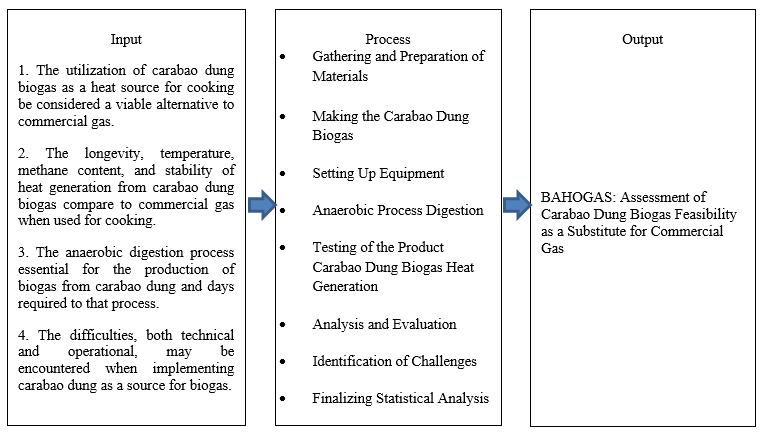
Figure 1. Paradigm of the study.
Conceptual framework
The paradigm of the study illustrates the research framework using the IPO (Input-Process-Output) model. In this conceptual framework, each component plays a crucial role in understanding and evaluating the feasibility of Carabao dung biogas as an alternative to commercial gas. The input phase encompasses the foundational elements that guide the researchers throughout the study. The process phase outlines the systematic steps taken by the researchers to conduct the study. The output phase represents the culmination of the research effort, resulting in the assessment of Carabao dung biogas feasibility as a substitute for commercial gas.
Theoretical framework
The study on the generation of biogas from cow dung by Onwuliri et al. revolves around the principles of anaerobic digestion and sustainable energy production. Anaerobic digestion is a biological process where microorganisms break down organic matter in the absence of oxygen, producing biogas as a byproduct. This framework draws upon relevant concepts to elucidate the factors influencing the feasibility of utilizing Carabao dung as a source for biogas production.
The study is anchored in the principles of bioenergy and environmental sustainability, emphasizing the potential of Carabao dung as a renewable resource for biogas generation. The theoretical foundation encompasses the biological and chemical processes involved in anaerobic digestion, highlighting the role of microorganisms in decomposing organic matter and producing methane-rich biogas.
Furthermore, the study considers the socio-economic and environmental implications of adopting Carabao dung as an alternative to commercial gas. This involves examining the feasibility of integrating biogas production into agricultural practices, contributing to waste management, and potentially providing a sustainable energy source for local communities.
In the context of this research, the theoretical framework emphasizes the importance of understanding the microbial composition of Carabao dung and its correlation with biogas yield. Additionally, the study explores the impact of varying environmental conditions, such as temperature and retention time, on the efficiency of biogas production from Carabao dung.
Hypothesis
H0: There is no significant difference on longevity between Carabao dung biogas and commercial gas.
H1: There is no significant difference on stability of heat generation between Carabao dung biogas and commercial gas.
H2: There is no significant difference on methane content between Carabao dung biogas and commercial gas.
H3: There is no significant difference on temperature between Carabao dung biogas and commercial gas.
Significance of the study
The results of the study will be of great benefit to the following:
Students: This research provides an educational opportunity for students to comprehend the relevance of Carabao dung in their community, specifically in the context of biogas for cooking. Understanding the advantages of Carabao dung biogas allows students to grasp the intricate connections between agriculture, energy, and environmental sustainability. This knowledge can shape their perspectives, encouraging a sense of responsibility towards sustainable agricultural and cooking practices.
Farmers: Carabao dung biogas emerges as a viable renewable energy source for cooking, offering farmers an alternative to conventional fuels and potentially reducing their carbon footprint. This study has the potential to positively impact the livelihoods of farmers by introducing a sustainable cooking solution aligned with environmental conservation
Community: In areas with limited access to conventional energy sources, Carabao dung biogas can play a crucial role in providing a dependable and sustainable cooking fuel for households, schools, and small businesses. The research has the potential to enhance the quality of life in these communities by addressing cooking fuel accessibility and minimizing environmental impacts.
Environment: While the study focuses on cooking applications, the environmental implications are noteworthy. The utilization of Carabao dung biogas can contribute to reduced reliance on non-renewable resources, fostering environmental conservation and mitigating the carbon footprint associated with traditional cooking fuels.
Future researchers: For future researchers interested in renewable cooking fuel sources, this study establishes a valuable foundation. The comprehensive methodology for producing biogas from Carabao dung serves as a reference for similar research in different contexts or with various organic materials. Additionally, the findings may inspire further exploration of the long-term environmental impact, potentially leading to reduced pollution. Future researchers can leverage this work to innovate and advance sustainable cooking solutions.
Definition of terms
Alternative: Specifically denotes the use of Carabao dung biogas as a substitute for conventional commercial gas, particularly in regions facing fuel shortages and price increases.
Anaerobic digestion: Is the biological process employed to break down Carabao dung into biogas, emphasizing the microbial-driven nature of the conversion.
Biogas: Renewable energy source derived from the anaerobic digestion of Carabao dung, with a composition primarily consisting of methane and carbon dioxide.
Carabao dung biogas: Specifically refers to the biogas produced from the anaerobic digestion of dung obtained from Carabaos, emphasizing its unique characteristics compared to biogas from other sources.
Commercial gas: It is conventional fossil fuel against which the feasibility and alternative nature of Carabao dung biogas are assessed.
Feasibility: Pertains to the practicality and viability of utilizing Carabao dung biogas as an alternative energy source for cooking, considering economic, environmental, and technical factors.
Research design
The study titled "Assessing the feasibility of Carabao dung biogas as an alternative to commercial gas" utilizes an experimental research design to investigate the viability of Carabao dung biogas as a substitute for commercial gas in cooking applications. Experimentation in research is the process of testing a hypothesis or theory through the use of controlled and systematic procedures. It involves manipulating one or more variables, while controlling and measuring any changes in other variables. Experimentation is a key component of the scientific method, and is used to test theories and develop new theories and develop new knowledge (IA, 2014).
According to Bell, experimental research is selected for its ability to systematically compare variables and observe their effects under controlled conditions, facilitating the determination of the feasibility of Carabao dung biogas as an alternative cooking fuel. Furthermore, experimental design facilitates the collection of accurate and precise empirical data, enabling rigorous statistical analysis to determine the significance of observed differences (Bevans, 2019). By employing statistical tests, researchers confidently draw conclusions about the feasibility of Carabao dung biogas as an alternative to commercial gas for cooking.
Researchers will compare the viability of Carabao dung biogas (experimental group) as an alternative cooking fuel to commercial gas (control group). The independent variable is the type of fuel (dung biogas vs. commercial gas), while the dependent variables include the longevity and stability of heat generation, viability for cooking, duration of anaerobic digestion for biogas production, and potential operational difficulties. Controlled variables will ensure consistency in cooking conditions, equipment, and environmental factors. The methodology will focus on measuring these variables to assess the feasibility and effectiveness of Carabao dung biogas as a sustainable energy source for cooking.
This study employs a quantitative research approach to systematically evaluate the feasibility of utilizing Carabao dung biogas specifically for cooking and heating purposes, contrasting it with commercial gas. Through controlled experiments and statistical analysis, the efficacy of Carabao dung biogas as a heat source will be measured, aiming to provide insights into its potential as an alternative to commercial gas. By examining variables such as temperature, methane content, longevity, and stability, this research seeks to understand correlations and optimize the cooking and heating process. Kharbach offer insights into statistical analysis, variables, measurement, and hypothesis testing in quantitative research, which are relevant to this study's methodology.
Research procedure
The procedure for assessing the feasibility of Carabao dung biogas as an alternative to commercial gas involves several key steps:
Gathering and preparation of materials: Collecting necessary materials such as Carabao dung, water, and any additional components required for the biogas production process (Figure 2).
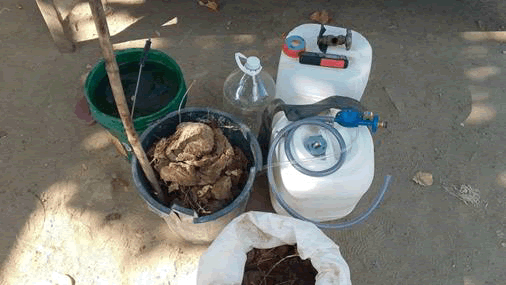
Figure 2. Gathering and preparation of materials.
Making the Carabao dung biogas: The Carabao dung is crushed and mixed with water to facilitate its decomposition. This step involves the actual process of producing biogas from Carabao dung through anaerobic digestion (Figure 3).
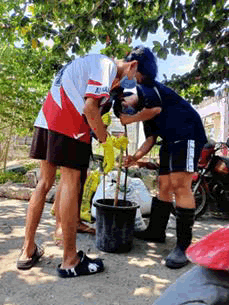
Figure 3. Making the Carabao dung biogas.
Setting up equipment: Assembly of the biogas production equipment, including the digester container and gas collection system, to facilitate the anaerobic digestion process (Figure 4).
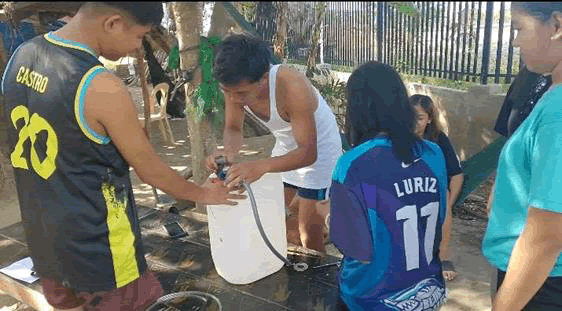
Figure 4. Setting up equipment.
Anaerobic digestion process: The prepared mixture of Carabao dung and water is placed in the digester container and exposed to anaerobic conditions. The container is left exposed to sunlight, allowing natural fermentation to occur. During this process, microorganisms break down organic matter in the absence of oxygen, producing biogas as a byproduct (Figure 5).
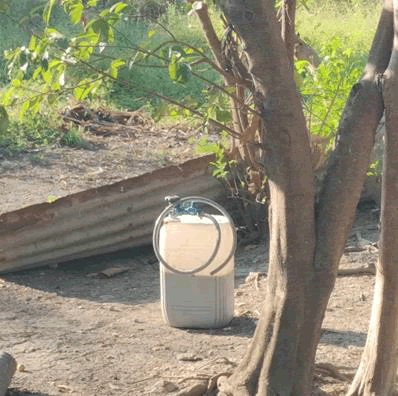
Figure 5. Anaerobic digestion process.
Testing of Carabao dung biogas heat generation: Evaluating the effectiveness of the produced biogas as a heat source for cooking purposes. This involves igniting the biogas and measuring its heat generation capabilities, comparing it to commercial gas in terms of longevity, stability, and heat output (Figure 6).
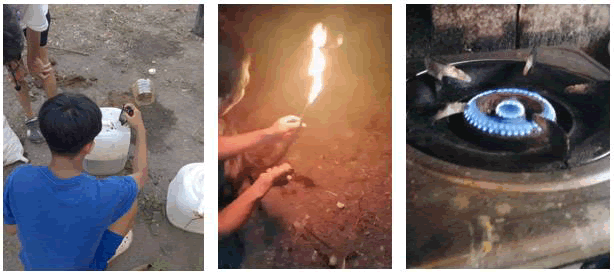
Figure 6. Testing of Carabao dung biogas heat generation.
Analysis and evaluation: Analyzing the data collected from testing to assess the performance of Carabao dung biogas and its potential as a viable alternative to commercial gas (Figure 7).
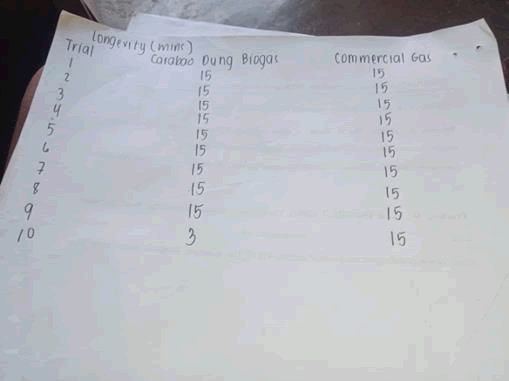
Figure 7. Analysis and evaluation.
Identification of challenges: Identifying any technical or operational difficulties encountered during the production and utilization of Carabao dung biogas, including potential limitations or areas for improvement (Figure 8).
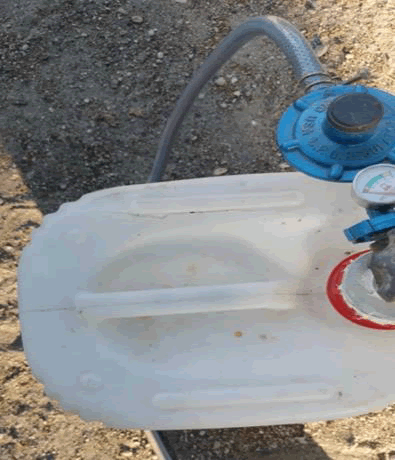
Figure 8. Identification of challenges.
Finalizing statistical analysis: Performing statistical analysis to quantify relationships between variables such as temperature, methane content, longevity, and stability of heat generation, providing insights into optimizing the biogas production process (Figure 9).
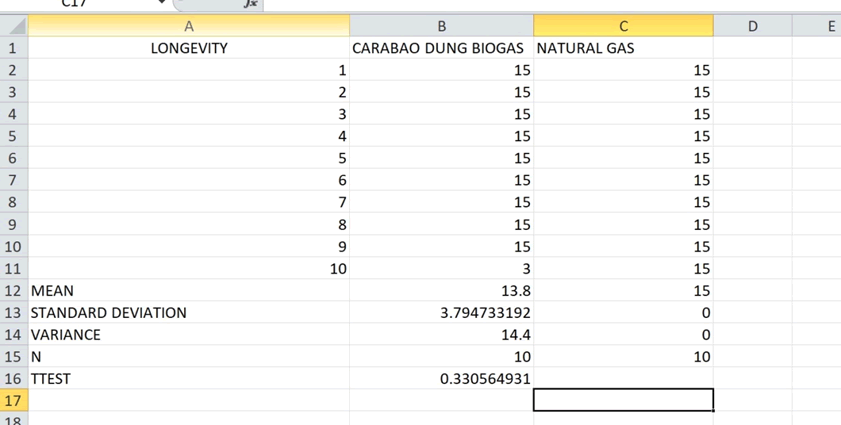
Figure 9. Finalizing statistical analysis.
Research instruments
In order to effectively assess the feasibility of Carabao dung biogas as an alternative to commercial gas, the researchers will utilize a range of specialized tools and equipment tailored to the specific processes involved in biogas production and testing.
These instruments include:
Methane tester: This device will be employed to monitor the temperature and methane content of biogas (Figure 10).
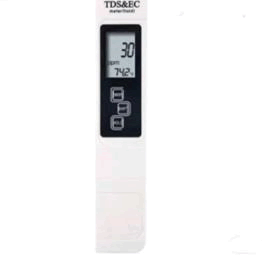
Figure 10. Methane tester.
Carabao dung: To experiment with using Carabao dung for biogas production (Figure 11).
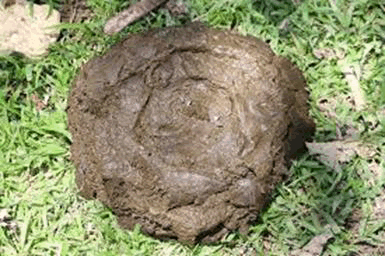
Figure 11. Carabao dung.
Gas hose pipe: Essential for the transportation of biogas, the gas hose pipe will facilitate the conveyance of biogas from the anaerobic digester to the utilization system. It prevents the loss of biogas and ensures efficient distribution throughout the system (Figure 12).
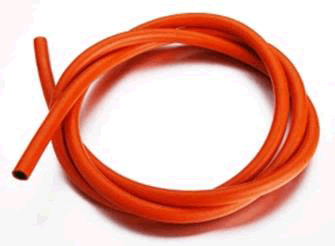
Figure 12. Gas hose pipe.
LPG tank valves: These valves will be employed to regulate the flow of gas within the system, allowing for precise control over the distribution and utilization of biogas. Additionally, they enable manual adjustment of gas flow for control purposes, enhancing operational flexibility (Figure 13).
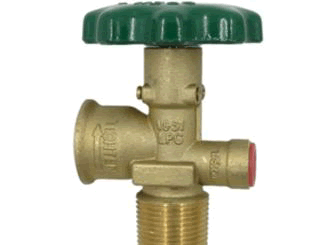
Figure 13. LPG tank valves.
Hose clamp: To maintain a secure and airtight connection between hoses and fittings, hose clamps will be utilized. These clamps act as seals, preventing air leakage at the connections, thus optimizing the efficiency of biogas utilization (Figure 14).
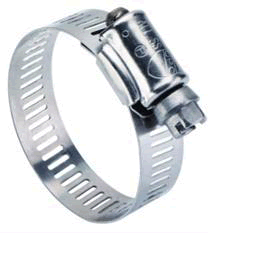
Figure 14. Hose clamp.
Container: Specifically treated to facilitate the decomposition of dung and subsequent biogas production, containers will be utilized to house the dung during the anaerobic digestion process.
These containers provide the necessary environment for microbial activity to break down organic matter and produce biogas (Figure 15).
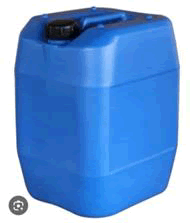
Figure 15. Container.
Water: Acting as a medium for the breakdown of organic matter during anaerobic digestion, water will be utilized within the biogas digester.
It provides the necessary conditions for microbial activity to thrive, leading to the efficient production of biogas from Carabao dung (Figure 16).

Figure 16. Water.
Timer: Employed to measure the longevity of both Carabao dung biogas and commercial gas (Figure 17).

Figure 17. Timer.
Gas regulator: To control and maintain the pressure of the gas flowing from the supply source to the appliances at a safe and consistent level (Figure 18).
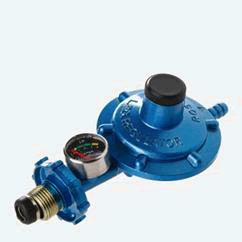
Figure 18. Gas regulator.
Silicone rubber: Commonly utilized to seal or cover areas of a product where gas or vapor may escape, providing an effective barrier against leaks and ensuring product integrity (Figure 19).
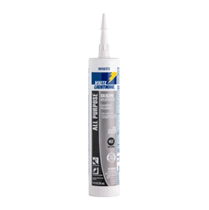
Figure 19. Silicone rubber.
Hex nut: Utilized to securely fasten and tighten gas hose pipes onto gas regulators, ensuring a tight and safe connection to prevent gas leaks (Figure 20).
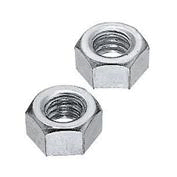
Figure 20. Hex nut.
Flat washer: Employed to seal the lid of the container tightly, preventing any potential gas leakage and ensuring the containment of its contents (Figure 21).

Figure 21. Flat washer.
Personal Protective Equipment (PPE): Used to ensure cleanliness and safety (Figure 22).
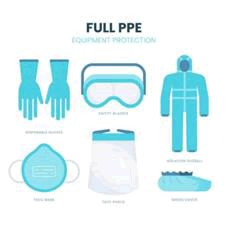
Figure 22. Personal protective equipment.
Gas stove: Utilized to assess whether the Carabao dung biogas generated a flame (Figure 23).
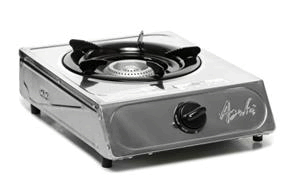
Figure 23. Gas stove.
Commercial gas: employed as a reference to compare Carabao dung biogas in terms of longevity, stability of heat generation, methane content, and temperature (Figure 24).
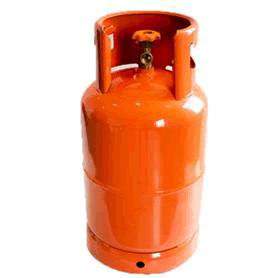
Figure 24. Commercial gas.
Data collection
The data collection process for assessing the feasibility of Carabao dung biogas as an alternative to commercial gas for cooking purposes involves several steps outlined in the research methodology. Firstly, the gathering and preparation of materials include collecting Carabao dung, as well as other necessary materials such as a methane tester, gas hose pipe, hose clamps, LPG tank valves, containers, etc. for anaerobic digestion. Once materials are gathered, the process of making Carabao dung biogas begins, followed by the anaerobic digestion process. During these stages, data is collected using the methane tester to monitor temperature and methane content of biogas production. The gas hose pipe ensure that biogas is transported without any leaks, while LPG tank valves help regulate gas flow.
Furthermore, LPG tank valves are employed to regulate gas flow within the system. Throughout the process, water is utilized as a medium for the breakdown of organic matter in the dung. Data is collected on the longevity and stability of biogas production, as well as any challenges encountered during the process.
To measure each variable, specific instruments are employed. Temperature and methane content are monitored using a methane tester. The longevity of the biogas is determined using a timer to track how long the biogas remains viable for cooking compared to commercial gas. Stability, on the other hand, is assessed through the observation of the color of the flame when the biogas is ignited.
Finally, statistical analysis is performed to evaluate the efficacy of Carabao dung biogas compared to commercial gas for cooking, considering variables such as temperature, methane content, stability and longevity. The collected data will inform conclusions regarding the viability of Carabao dung biogas as a sustainable alternative fuel source for cooking documented to ensure transparency, reproducibility, and reliability of the study results. production, and overall efficiency of biogas production.
Statistical data analysis
To determine the significance of differences between the stability, longevity, temperature, and methane content of Carabao dung biogas and commercial gas, the researchers will conduct a t-test. The t-test will allow for a comparison of the means of two independent samples and ascertain if there is a statistically significant distinction between them. The formula used for the t-test is as follows
t=|(X1-x2)]|/ √s12/n1+s22/n2
Where:
X1 = mean of 1st sample
X2 = mean of 2nd sample
S1 = standard deviation of 1st sample
S2 = standard deviation of 2nd sample
n1 = sample size of 1st sample
n2 = sample size of 2nd sample
Before applying the t-test, the researchers computed the mean of the analyzed data. Mean is the average of a data set, found by adding all numbers together and then dividing the sum of numbers in the set.
X=Σx/N
Where:
x = Mean
∑x = Sum of the given data
N = Number of data
Organizing the data for the t-test involves collecting stability, longevity, temperature, and methane content measurements for both Carabao dung biogas and commercial gas. Each set of measurements will include the respective sample mean (xÃÃÃÃÃÂ??????), standard deviation (s), and sample size (n). These values will be used in the t-test formula to determine if there is a statistically significant difference between the two variables.
Additionally, to determine whether to reject or not reject the null hypothesis, follow these steps: Firstly, conduct the t-test. Then, calculate the degrees of freedom by adding n1 and n2 and subtracting 2. Afterward, refer to the critical value (p=0.05). If the critical value is lower, the null hypothesis is not rejected, indicating no systematic significance between the variables. Conversely, if the critical value is higher, the null hypothesis is rejected, suggesting a significant difference between the variables (Figure 25).
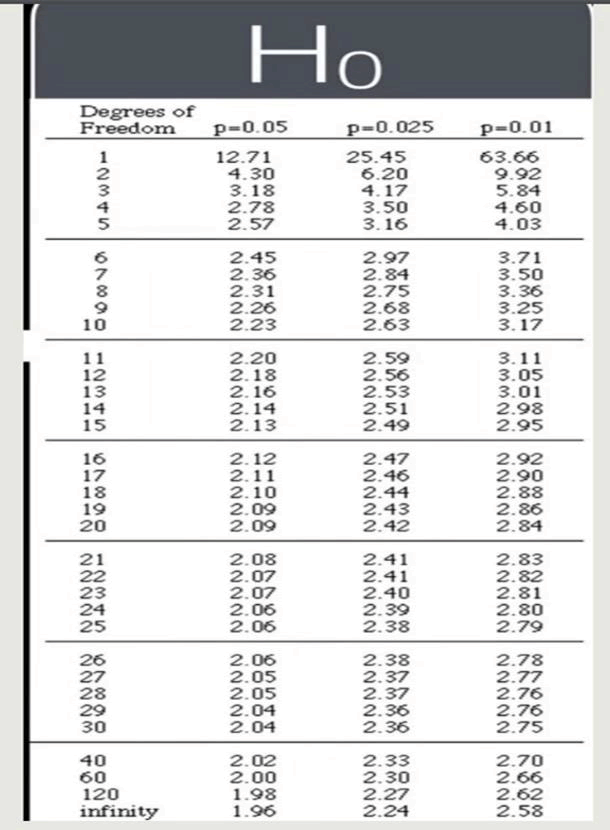
Figure 25. Conduct the t-test. Then, calculate the degrees of freedom by adding n1 and n2 and subtracting 2.
Furthermore, the stability of heat generation is categorized into the following color-coded ranges:
These color ranges for stability heat generation are determined based on researcher’s observations during testing. Studies indicate that blue is the most stable color of fire. A blue flame indicates complete combustion of carbon, which is why it is seen with gas appliances. Propane, a hydrocarbon containing carbon atoms, produces a blue flame when it undergoes complete combustion, in contrast to the yellow or orange flames produced by incomplete combustion (Teñoso et al., 2020).
SOP 1: Is the utilization of Carabao dung biogas as a heat source for cooking a viable alternative to commercial gas?
SOP 2: How does Carabao dung biogas compare with commercial gas when used for cooking in terms of:
| Longevity | ||
| Trial | Carabao dung biogas | Commercial gas |
| Trial 1 | 15 minutes | 15 minutes |
| Trial 2 | 15 minutes | 15 minutes |
| Trial 3 | 15 minutes | 15 minutes |
| Trial 4 | 15 minutes | 15 minutes |
| Trial 5 | 15 minutes | 15 minutes |
| Trial 6 | 15 minutes | 15 minutes |
| Trial 7 | 15 minutes | 15 minutes |
| Trial 8 | 15 minutes | 15 minutes |
| Trial 9 | 15 minutes | 15 minutes |
| Trial 10 | 3 minutes | 15 minutes |
| Mean | 13.8 minutes | 15 minutes |
| Standard deviation | 3.79 | 0 |
| Variance | 14.4 | 0 |
| N | 10 | 10 |
| T-value | 1 | |
| Critical value | P=2.10 | |
Table 1. Longevity of Carabao dung biogas and commercial gas.
The longevity trial compared the heat generation capabilities of Carabao dung biogas and commercial gas over ten trials, each lasting 15 minutes. Despite one trial with Carabao dung biogas ending prematurely at 3 minutes, the mean duration of heat generation for this biogas was 13.8 minutes, with a standard deviation of 3.79 minutes. In contrast, commercial gas consistently sustained heat for the full 15 minutes across all trials, displaying no deviation. The resulting t-test yielded a t-value of 1, which is less than the critical value of 2.10, indicating no statistically significant difference in heat longevity between the two gases (p>0.05). Therefore, the null hypothesis, suggesting no difference in heat longevity between Carabao dung biogas and commercial gas, was not rejected (Table 2).
| Stability of heat generation | ||||
| Days | Carabao dung biogas | Fire color | Commercial gas | Fire color |
| Day 1 | 4 | Blue | 4 | Blue |
| Day 2 | 4 | Blue | 4 | Blue |
| Day 3 | 4 | Blue | 4 | Blue |
| Day 4 | 4 | Blue | 4 | Blue |
| Day 5 | 4 | Blue with yellow | 4 | Blue |
| Day 6 | 3 | Blue with yellow | 4 | Blue |
| Day 7 | 3 | Yellow | 4 | Blue |
| Day 8 | 3 | Yellow | 4 | Blue |
| Day 9 | 3 | Yellow | 4 | Blue |
| Day 10 | 2 | Yellow | 4 | Blue |
| Mean | 3.4 | 4 | ||
| Standard deviation | 0.7 | 0 | ||
| Variance | 0.49 | 0 | ||
| N | 10 | 10 | ||
| T-value | 2.73 | |||
| Critical value | P=2.10 | |||
Table 2. Stability of heat generation of Carabao dung biogas and commercial gas.
The stability trial assessed the heat generation stability of Carabao dung biogas and commercial gas over a 10-day period. Carabao dung biogas exhibited consistent heat stability for the first four days, with a mean stability score of 4 (blue flame) on a visual scale. However, from day five onwards, the stability decreased gradually, showing a shift to a blue-yellow flame on day five, transitioning to yellow by day seven, and maintaining this color until day ten, with a mean stability score decreasing to 2. Commercial gas, in contrast, maintained a stable blue flame throughout the entire observation period, with a mean stability score consistently at 4. Statistical analysis using a t-test revealed a t-value of 2.73, which exceeds the critical value of 2.10, indicating a slightly significant difference in heat generation stability between Carabao dung biogas and commercial gas. This suggests that Carabao dung biogas exhibits declining stability over time compared to the consistently stable performance of commercial gas (Table 3).
| Temperature of heat generation (5 minutes-medium heat) | ||
| Trial | Carabao dung biogas | Commercial gas |
| Trial 1 | 38°C | 39°C |
| Trial 2 | 37°C | 38°C |
| Trial 3 | 39°C | 39°C |
| Trial 4 | 38°C | 39°C |
| Trial 5 | 39°C | 38°C |
| Trial 6 | 37°C | 38°C |
| Trial 7 | 38°C | 39°C |
| Trial 8 | 39°C | 39°C |
| Trial 9 | 38°C | 38°C |
| Trial 10 | 37°C | 38°C |
| Mean | 38°C | 38.5°C |
| Standard deviation | 0.82 | 0.53 |
| Variance | 0.67 | 0.28 |
| N | 10 | 10 |
| T-value | 1.61 | |
| Critical value | P=2.10 | |
Table 3. Temperature of heat generation of Carabao dung biogas and commercial gas.
The study compared the temperature of heat generation between Carabao dung biogas and commercial gas over ten 5- minute trials at medium heat. Results indicated a mean temperature of 38°C for Carabao dung biogas with a standard deviation of 0.82°C, while commercial gas showed a mean temperature of 38.5°C with a standard deviation of 0.53°C. The t-test yielded a non-significant difference (t-value=1.61) between the two fuels, which did not exceed the critical value of 2.10 (p>0.05). This suggests that there is no statistically significant disparity in the temperature of heat generation. Therefore, the null hypothesis, stating no difference in temperature between the two gases, was not rejected (Table 4).
| Methane content | ||
| Days | Carabao dung biogas | Commercial gas |
| Day 1 | 59.70% | 60.30% |
| Day 2 | 60.20% | 60.90% |
| Day 3 | 60.30% | 60.40% |
| Day 4 | 60.20% | 60.50% |
| Day 5 | 60.10% | 60.10% |
| Day 6 | 59.50% | 60.20% |
| Day 7 | 60.40% | 60.10% |
| Day 8 | 60.30% | 60.50% |
| Day 9 | 60.40% | 60.30% |
| Day 1o | 60.50% | 60.30% |
| Mean | 60.16% | 60.36% |
| Standard deviation | 0.32 | 0.24 |
| Variance | 0.1 | 0.06 |
| N | 10 | 10 |
| T-value | 1.11 | |
| Critical value | 2.1 | |
Table 4. Methance content of Carabao dung biogas and commercial gas.
The experiment compared the methane content of Carabao dung biogas and commercial gas over ten days, revealing a mean methane content of 60.16% and 60.36%, respectively, with standard deviations of 0.32 and 0.24. Despite a slight difference in the t-value of 1.11, which does not exceed the critical value of 2.10, the resulting t-test indicates a nonsignificant difference (p>0.05). Therefore, the null hypothesis, which proposes no difference in methane content between the two gases, cannot be rejected. Thus, statistically, there is no significant difference in methane content observed between Carabao dung biogas and commercial gas based on the findings of this study (Policarpio et al., 2023).
SOP 3: Is the anaerobic digestion process essential for the production of biogas from Carabao dung? How many days/days is/are required for the anaerobic digestion for the creation of Carabao dung biogas?
SOP 4: What potential difficulties, both technical and operational, may be encountered when implementing Carabao dung as a source for biogas?
Based on our findings, these are the potential difficulties when implementing Carabao dung as a source for biogas:
The investigation into the feasibility of utilizing Carabao dung biogas as a heat source for cooking has provided valuable insights into its potential as a viable alternative to commercial gas. Our findings indicate that Carabao dung biogas demonstrates comparable performance to commercial gas across key variables, including longevity, stability, methane content, and temperature.
Despite one trial exhibiting premature termination, statistical analysis revealed no significant difference in heat longevity between Carabao dung biogas and commercial gas. However, it's noteworthy that Carabao dung biogas demonstrated a decline in heat generation stability over time compared to the consistent performance of commercial gas, as evidenced by the color-coded ranges indicating stability of heat generation.
Moreover, the study found no statistically significant difference in the temperature of heat generation and methane content between Carabao dung biogas and commercial gas, further supporting the viability of Carabao dung biogas as a practical heat source.
While anaerobic digestion was established as essential for biogas production from Carabao dung, potential difficulties in implementation were identified. These include container damage, cover and regulator issues, and delayed gas production due to rushed construction or inadequate preparation of the anaerobic digestion setup.
In light of these findings, it is evident that Carabao dung biogas holds promise as an alternative energy source for cooking. Addressing the identified difficulties through careful planning and maintenance will be crucial for successful implementation.
The following recommendations are crafted by the researchers for further growth of knowledge and for the development of the study on implementing Carabao dung as a source for biogas:
To the future researcher, it is advisable to prioritize the anaerobic digestion process to ensure its thorough completion. Avoiding rushed setups and allowing sufficient time for anaerobic digestion are critical for maximizing biogas production efficiency. Additionally, seeking sturdier container materials is recommended to mitigate the risk of damage, such as cracks, which can compromise the containment of Carabao dung and hinder biogas production. Strengthening container construction will contribute to the overall reliability and effectiveness of the biogas production system. Furthermore, researchers should conduct thorough inspections to detect and address any potential leaks or malfunctions in regulator components. Ensuring the proper functioning of regulators is essential for maintaining optimal gas production and pressure regulation in the biogas system.
These recommendations aim to address the identified challenges, including container damage, cover and regulator issues, and delayed gas production, thereby facilitating the successful implementation of Carabao dung as a sustainable source for biogas production. By incorporating these suggestions, future research endeavors can further enhance the efficiency and reliability of biogas production systems utilizing Carabao dung.
Select your language of interest to view the total content in your interested language