 ...the monthly, Open Access Publisher.
...the monthly, Open Access Publisher.
...the monthly, Open Access Publisher.
Review Article - (2025) Volume 15, Issue 1
Received: 28-Jun-2024, Manuscript No. FAFT-24-140210; Editor assigned: 01-Jul-2024, Pre QC No. FAFT-24-140210 (PQ); Reviewed: 16-Jul-2024, QC No. FAFT-24-140210; Revised: 08-Jan-2025, Manuscript No. FAFT-24-140210 (R); Published: 15-Jan-2025
Quercetin is a versatile natural molecule considered as flavonoid exhibiting with a variety of modes of action and broad-spectrum antibacterial effects. It may be used as an antibacterial drug because it damages bacterial cell membranes, prevents DNA breakage, and prevents bacteria from forming biofilms. It has synergistic effects with antifungal drugs because it causes disruption of cell membranes, decreases nucleic acid production, and initiates apoptosis in fungus. Quercetin's antiviral effect is attributed to its targeting of vital viral enzymes, disruption of capsid proteins, and inhibition of viral reproduction. Moreover, it has demonstrated effectiveness against a number of viral infections, including COVID-19, Ebola, Zika virus, HIV-1, HCV, etc. Through its effects on the nervous system, oxidative stress, and nematode damage, quercetin also demonstrates anthelmintic capabilities. Its potential uses range from the treatment of bacterial and fungal illnesses to the management of viral pandemics and nematode control, underscoring its adaptability and relevance in antimicrobial research.
Anti-pathogen, Flavonoid, Phytochemical, Quercetin
Quercetin, chemically a flavonoid polyphenol, stands out as an important phytochemical potentially available in many different plants such as onions, citrus fruits, apples, parsley, red wine, tea and berries. With an average daily consumption of 25–50 milligrams, it is one of the most prevalent dietary flavonoids [1]. Various sources highlight its importance, with many health benefits due to its bioactive properties. This compound has engrossed attention for its outstanding antioxidant properties, having anti-cancer, anti-mutation, and anti-inflammatory properties [2].
Many groups of pathogens persist in plant and human populations, posing significant threats to health and agriculture.
Consequently, quercetins pronounced as highly effective anti-pathogen agent as it is a formidable opponent against a multitude of pathogens.
The presence of hydroxyl groups and double bonds allows quercetin to form complexes like other phenolic compounds [3]. These molecular characteristics play an important role in determining the biological function of quercetin against various pathogens, with its ability to fight many pathogenic threats originating from this property. Apparently, as a natural secondary metabolite, appears to be a readily available tool to suppress the activity of these pathogens [4]. Its specific effects on the epidermal, respiratory, digestive, and urinary systems highlight its ability to significantly reduce the pathogenic potential of bacteria on human health.
In addition, the antiviral properties of quercetin are remarkable, especially in its ability to inhibit replication and fight infection of viruses such as adenovirus, herpes simplex virus, and virulent viruses [5].
In the pharmaceutical landscape, quercetin has been exploited for its many human health benefits, and its potential to improve plant viability throughout its shelf life is a testament to its effectiveness [6]. One of the main contributing factors to the onset of diseases like metabolic syndrome, vascular disorders, and hypertension in humans is free radical stress. We can use the power of this naturally occurring compound to create novel therapeutic interventions and improved agricultural practices that enhance human health by comprehending the intricate relationships that exist between quercetin and pathogens. The objective of this research was to delve deeper into the complex characteristics of quercetin, examine its mode of action, and examine its possible uses in fighting different infections.
Inhibitory effects of quercetin on bacteria
Bacterial cell walls and membranes are structurally disrupted by quercetin, which results in cell death. In treated Escherichia coli and Staphylococcus aureus, it specifically causes permeability to increase, endochylema contents to be released, protein synthesis to decrease, cell protein expression to change, and ultimately cell lysis and death [7]. Furthermore, different bacterial strains may require different Minimal Inhibitory Concentrations (MIC) in order to stop cell growth (Figure 1).
There is ample evidence linking the structure of quercetin to its antibacterial properties, and numerous studies have investigated the specific flavonoid mechanisms of action. Quercetin inhibits the bacterial gyrase's ability to supercoil by causing DNA cleavage. It has the potential to be a useful antibacterial drug since it has been demonstrated to bind to the 24 kDa region of Escherichia coli gyrase B and decrease ATPase activity. Quercetin also contributes to its antibacterial mechanism by intercalating with bacterial DNA in complex with iron, which causes supercoiled DNA to cleave [8].
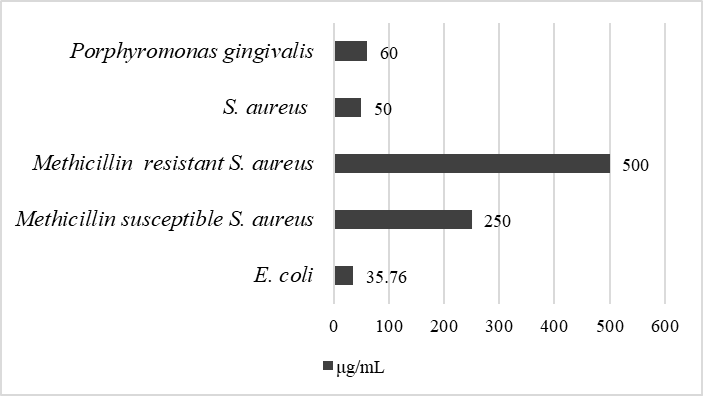
Figure 1. Minimum Inhibitory Concentration (MIC). (10, 49-52).
By disrupting bacterial quorum sensing pathways, quercetin not only stops the formation of biofilms but also stops bacteria from adhering to target organs. It has been shown to prevent different bacterial species from producing biofilms (Table 1). Moreover, quercetin inhibits the swimming and swarming motility of bacteria, including Streptococcus mutans and Pseudomonas aeruginosa, which reduces quorum sensing and biofilm formation [9].
Furthermore, in many bacterial species, quercetin has been shown to reduce the activity of essential pathogenic enzymes. Notably, it inhibits enzymes that are essential for bacterial virulence, such as coagulase and gingipain proteases [7,10]. In bacteria, it suppresses the expression of virulence genes like sigB, prfA, inlA, inlC, and actA. Moreover, it hinders the expression of virulence factors like pneumolysin in Streptococcus pneumoniae [11,12].
Quercetin also interferes with bacterial quorum sensing mechanisms involved in the production of virulence factors like protease, elastase, and pyocyanin. By disrupting quorum sensing, it diminishes bacterial virulence and biofilm formation [9,13]. Researchers also disclosed that quercetin prevents the activity of sortase A in Streptococcus pneumoniae, responsible for anchoring. On the flip side, quercetin can enhance the antibacterial activity of antibiotics against drug-resistant bacterial strains. This enhancement has been observed with antibiotics such as vancomycin, ampicillin, cefepime, and meropenem [14,15]. Collectively, these mechanisms contribute to quercetin's antibacterial activity, positioning it as a promising natural compound for combating bacterial infections (Figure 2).
| Bacteria | Mechanism |
| Listeria monocytogene | Impaired cell-to-cell interactions |
| Staphylococcus epidermidis | Negative effects on ICA and PIA |
| Enterococcus faecalis | Exerts its inhibitory effect by disturbing glycolytic, protein translation-elongation and protein folding pathways |
| Pseudomonas aeruginosa | Transcriptional regulators of quorum sensing related gene |
| Vibrio parahaemolyticus | Inducing cell lysis |
| Streptococcus mutans | Disrupted the pH |
| Streptococcus pneumoniae | Blockage of SrtA gene function |
| Note: *ICA=Intercellular Adhesion, PIA=Polysaccharide Intercellular Adhesion | |
Table 1. Evidence of biofilm regeneration inhibition in different bacterial species.
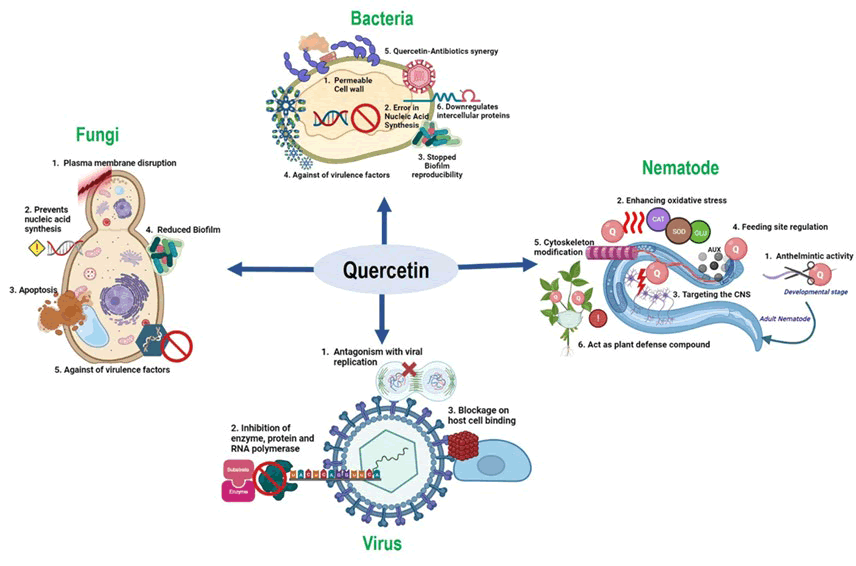
Figure 2. Graphical sketch on mode of actions of quercetin against different pathogens.
Prevalence of antifungal properties of quercetin
Similar to its impact on bacterial inhibition, quercetin also disrupts the plasma membrane in fungi. For example, in Trichophyton rubrum, quercetin downregulates the enzyme fatty acid synthase and reduces ergosterol levels, ultimately leading to plasma membrane disruption (16). Additionally, quercetin hinders nucleic acid synthesis in fungi, as observed in Cochliobolus lunatus [17]. In Candida albicans and Candida tropicalis, quercetin induces apoptosis alongside an increase in intracellular magnesium, mitochondrial dysfunction, disruption of membrane integrity, and DNA damage [18,19].
Mitochondrial dysfunction is evident through mitochondrial depolarization, increased levels of intracellular Reactive Oxygen Species (ROS) contributing to oxidative stress and damage to cellular components, as well as disruption of the mitochondrial antioxidant system by quercetin [18]. When combined with antifungal antibiotics like fluconazole, quercetin exhibits synergistic effects. This combination not only inhibits biofilm formation but also downregulates the expression of biofilm-forming genes. Moreover, it inhibits cell adhesion and other fungal metabolic processes [20]. Quercetin also downregulates virulence factors in fungi. In Candida albicans, it reduces biofilm formation, hemolytic activity, and enzyme activities (e.g., proteinase, phospholipase, esterase), as well as inhibits hyphal development. Additionally, in another Candida species, Candida parapsilosis, quercetin diminishes biofilm formation.
Morphological changes in fungal cells are observed in Candida tropicalis, leading to alterations in cell morphology and contributing to the antifungal effect. At times, quercetin disrupts fungal cell adhesion. Moreover, in combination with antifungal antibiotics, it inhibits cell adhesion and Cell Surface Hydrophobicity (CSH), thereby reducing fungal adhesion to surfaces. There is substantial evidence of diversified antifungal properties of quercetin, as demonstrated by various researchers (Table 2).
| Fungus | Mode of action |
| Aspergillus niger | Disruptive potential of biofilm, preventing cell surface attachment |
| Aspergillus flavus | against Aspergillus flavus, quercetin exhibited antifungal properties |
| C. metapsilosis, C. orthopsilosis, and C. parapsilosis | Quercetin was more effective than kaempferol as an antifungal agent |
| Candida species and Cryptococcus neoformans | Evidence of synergistic antifungal action |
| Vulvovaginal candidiasis | Quercetin and fluconazole have a synergistic antifungal action |
Table 2. Diversified antifungal properties of quercetin.
Quercetin as an antiviral agent
Quercetin exerts inhibitory effects on essential viral enzymes, including polymerases, reverse transcriptase, proteases, and integrase, crucial for viral replication. It can also interfere with the function of helicase in certain viruses, such as the Hepatitis C Virus (HCV). Moreover, quercetin has the capability to interfere with viral capsid proteins and the binding of viral nucleic acid, disrupting the structural integrity of the virus. Therefore, it reduces the infectivity of several viruses, including Herpes Simplex Virus (HSV-1), Poliovirus, Parainfluenza virus type 3, and Respiratory Syncytial Virus (RSV). Quercetin specifically blocks different viral replication stages and intracellular phases. The interference with viral replication is demonstrated by the blockade of endocytosis, inhibition of the activity of phosphatidylinositol 3-kinase, inhibition of RNA polymerase and other viral proteins, and enhancement of the antiviral response of mitochondria. Moreover, Quercetin prevents Influenza a H1N1 and H7N9 viruses from using their neuraminidase enzyme, which is necessary for the release of fresh viral particles from infected cells.
In some HCV genotypes, quercetin inhibits the activity of p7 proteins, both of which are essential for viral replication (26, 30). At times, it blocks viral binding and penetration to host cells and prevents the activation of NF-κB at the onset of infection in Herpes Simplex Virus (HSV-1 and HSV-2) and Acyclovir-resistant HSV-1. Again, certain viruses, including the Influenza A virus, the Vesicular Stomatitis Virus, the Newcastle Disease Virus, HSV, and other Influenza A subtypes, induce the release of type I interferon (IFN) and other pro-inflammatory cytokines in response to quercetin. Notably, quercetin has established its significant impact in combating several viral pandemics (Table 3).
|
Viral pandemic |
Influence of quercetin |
|
HCV (Hepatitis C Virus) |
Decreased viral load |
|
HIV-1 |
Toxicity and anti-HIV activity of quercetin compounds on TZM-bl cells |
|
Zika virus |
Quercetin glucoside’s cytotoxic effects on the Zika virus |
|
COVID 19 |
inhibitory effect on human ACE2 receptors, SARS-CoV-2 enzymes, antioxidant, anti-inflammatory, and immunomodulatory properties |
|
Ebola |
The molecule can rapidly exert its anti-EBOV activity in plasma, mainly due to its metabolite, Q3G, or in tissues where Q3G is converted into its aglycone form. |
Table 3. Quercetin roles against several viral pandemics.
Nematode and quercetin antagonism
Due to quercetin's anthelmintic characteristics, the Haemonchus contortus nematode suffers harm to multiple body parts, including neuropils, which ultimately results in paralysis and death. This effect is ascribed to the production of oxidative stress, which affects enzymes involved in the stress response, including glutathione peroxidase, catalase, and superoxide dismutase. Primarily targeting the nervous system of adult worms, quercetin induces paralysis and eventual death.
Moreover, quercetin could regulate feeding sites of plant-parasitic nematodes, facilitating auxin accumulation, and affecting cell cycle progression. It may also influence nematode fertility by limiting egg production or affecting male-to-female nematode ratios. Additionally, quercetin can control endoreduplication and prevent apoptosis in feeding sites, potentially impacting the nematode-induced cell cycle. It has the potential to modify the nematode-induced cytoskeleton, particularly actin filaments, in feeding sites. Flavonoids, including quercetin, can act as defense compounds in plants against nematode infections, influencing nematode behavior, survival, and host root attraction. At micromolar concentrations, quercetin repels and slows down the growth of Meloidogyne incognita at the early stage. In certain cases, the toxicity might lead to the death of juvenile nematodes like Helicoverpa zea, an entomopathogenic nematode. These points illustrate the diverse mechanisms by which quercetin impacts nematodes, ranging from direct anthelmintic effects to the regulation of nematode feeding sites and potential roles in the plant's defense against nematode infections.
Overall, the mechanisms outlined demonstrate the various ways quercetin acts against different pathogens, resulting in the death of pathogens or the suppression of their ability to reproduce, as depicted in Figure 2. Although quercetin's actions may differ across different pathogenic groups, the ultimate outcome is the elimination or significant reduction of pathogen populations.
Quercetin can be highlighted with numerous antimicrobial properties against nematodes, bacteria, fungi, and viruses. Functionally for diminishing the pathogens it breaks down cell membranes, obstructs DNA cleavage, and increases antibiotic potency against resistant strains. Quercetin works with antifungal antibiotics to suppress fungal processes and inhibit virus spread. It also harms nematodes, causing paralysis and death. Besides, quercetin illustrations promise in treating infectious diseases and may be used in clinical and agricultural settings.
[Crossref] [Google Scholar] [PubMed]
[Crossref] [Google Scholar] [PubMed]
[Crossref] [Google Scholar] [PubMed]
[Crossref] [Google Scholar] [PubMed]
[Crossref] [Google Scholar] [PubMed]
[Crossref] [Google Scholar] [PubMed]
[Crossref] [Google Scholar] [PubMed]
[Crossref] [Google Scholar] [PubMed]
[Crossref] [Google Scholar] [PubMed]
[Crossref] [Google Scholar] [PubMed]
[Crossref] [Google Scholar] [PubMed]
[Crossref] [Google Scholar] [PubMed]
[Crossref] [Google Scholar] [PubMed]
[Crossref] [Google Scholar] [PubMed]
[Crossref] [Google Scholar] [PubMed]
[Crossref] [Google Scholar] [PubMed]
[Crossref] [Google Scholar] [PubMed]
[Crossref] [Google Scholar] [PubMed]
[Crossref] [Google Scholar] [PubMed]
[Crossref] [Google Scholar] [PubMed]
Select your language of interest to view the total content in your interested language